
Feddersen Group
Founded in Hamburg in 1949. Ten companies in trade, plastics and engineering, with about 1,100 people in 21 countries. Its sole shareholder is the non-profit K.D. Feddersen Foundation.
Customer story
Together with its software partner torwell, the Feddersen Group built Strom into its inventory app. Staff photograph a type plate, and the description and serial number fill themselves in, each with how sure Strom is. Now Feddersen is taking Strom to other areas of the group.

 Uprelic Strom
The Feddersen Group is a family of ten companies from Hamburg, founded in 1949. It trades and produces plastics and chemicals, sells plastics machinery and stainless steel, and offers engineering services to industry. About 1,100 people work for the group in 21 countries, and it belongs to a non-profit foundation.
An inventory at Feddersen means a QR label on every asset and a record behind it, with a description, a serial number, a location and a cost centre.
The description and the serial number are already on the asset, printed on a type plate or a serial label. Someone has to read them off and get them into the record, item by item, twenty thousand times.
A type plate isn’t a form. OCR reads every string on it and hands back a heap of text. On the plate below that is a model name, a compliance ID, a factory code, a UL file number and a power rating, and nothing in the output says which one is the serial number. Here the honest answer is none of them, because the serial sits on a different label.
Glare, curved housings and worn print add misread characters, and OCR gives no signal of when to trust a line. So a person still had to sort the text before anything went into the record.
| The photo | What OCR returns | What Strom answers |
|---|---|---|
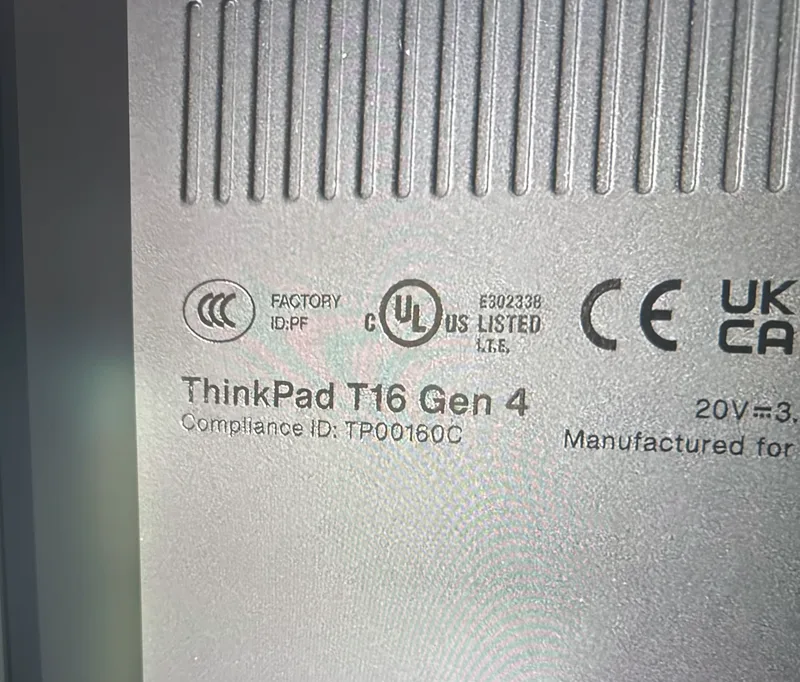 |
| DescriptionThinkPad T16 Gen 4 Serial number—Left empty. None of these strings is a serial number. |
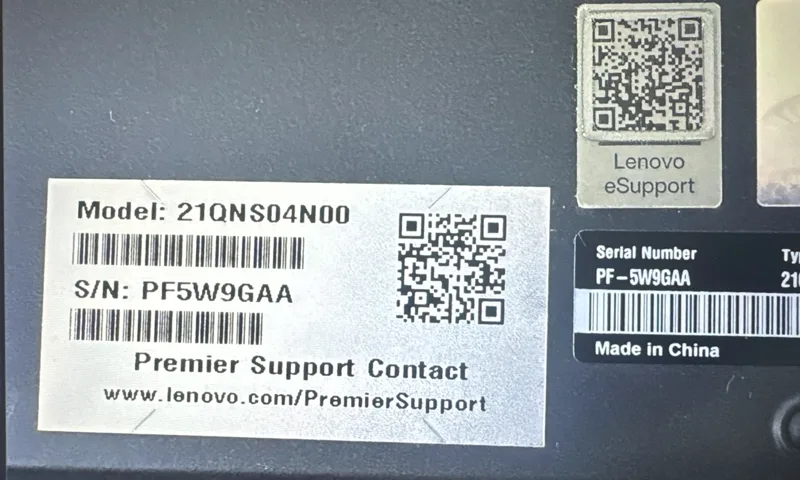 |
| DescriptionThinkPad T16 Gen 4 (21QNS04N00)96% Serial numberPF5W9GAA92%Offered as an alternative: PF-5W9GAA |
Strom’s answers and confidences as the app showed them in the recording above. The OCR lines are the text printed on each photo.
Inventory was pure manual labour, and we tried several tools to cut it down. None of them worked, OCR included. Strom is the first that did. That gave us back countless hours in the first workflow alone and saved us not just money but a lot of frustration. That success is why we’re now expanding Strom to other areas of the group together with Uprelic.
 Joachim FriedrichHead of Digital Office, Feddersen Group
torwell built the app and connected it to Strom’s API. A capture takes four steps.
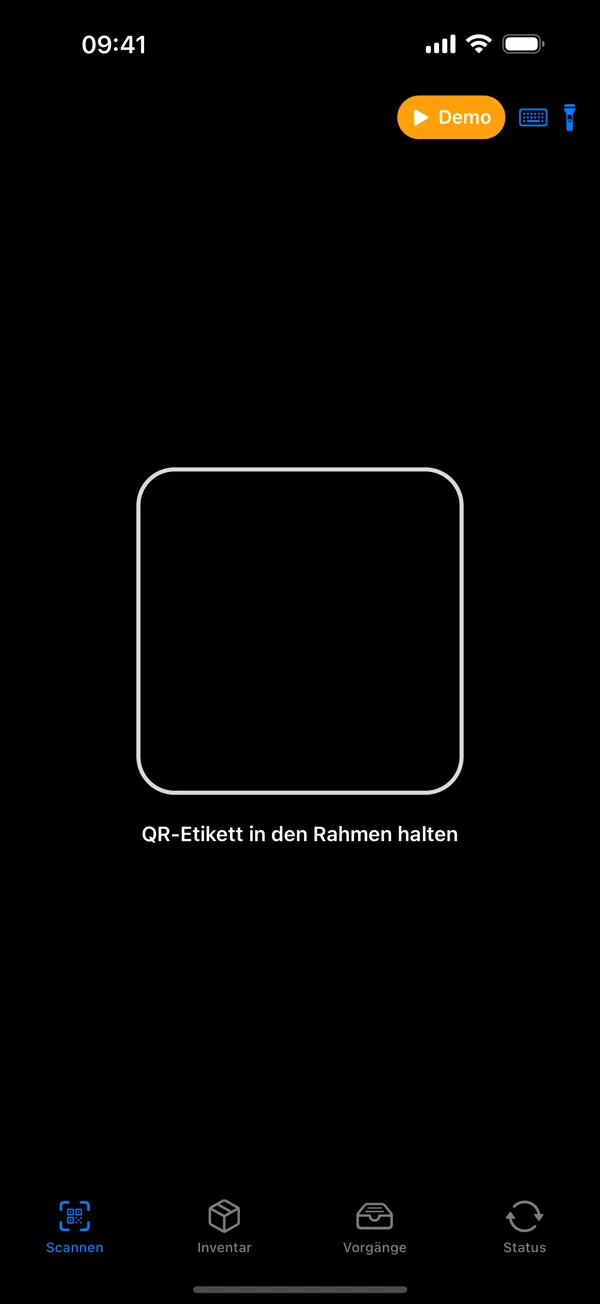
Every asset carries a QR label. Scanning it opens the record, or starts a new one.
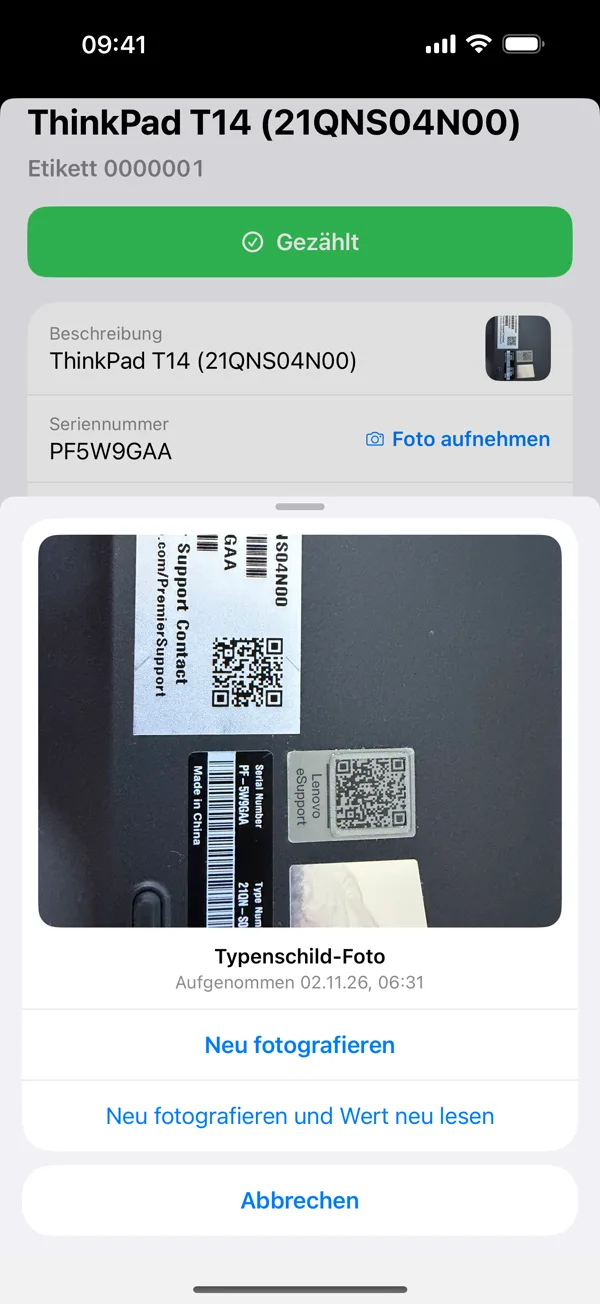
One photo of the type plate, and a second of the serial label when it sits somewhere else.
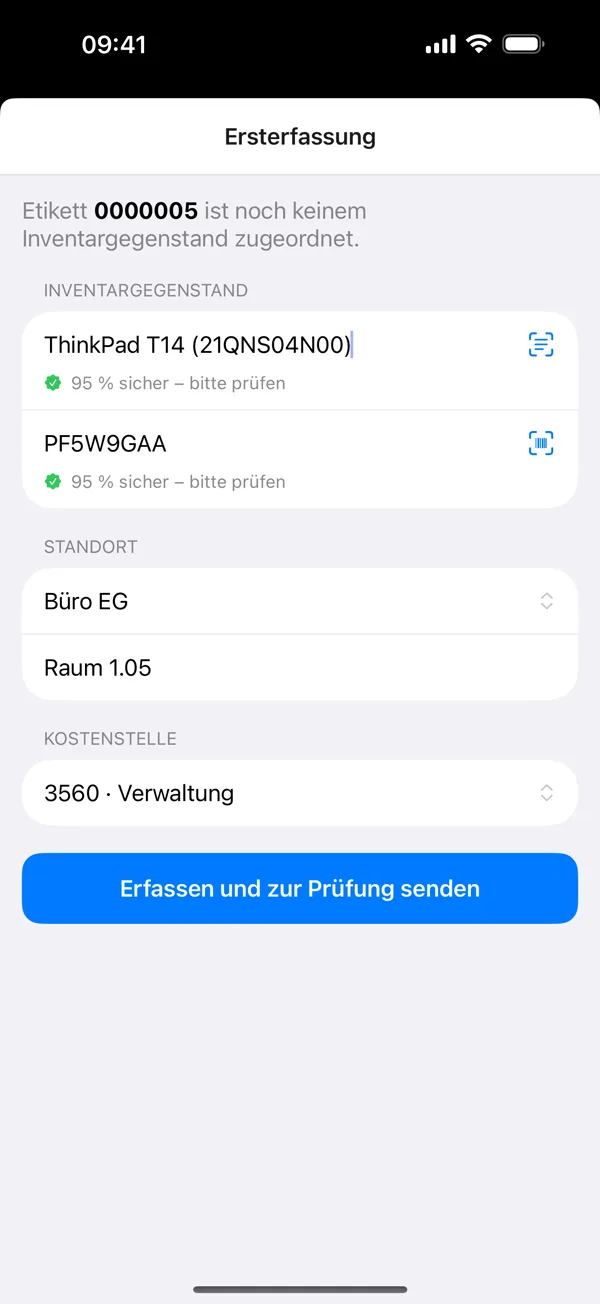
The description and serial number appear with how sure Strom is. “95 % sicher – bitte prüfen” means 95% sure, please check.
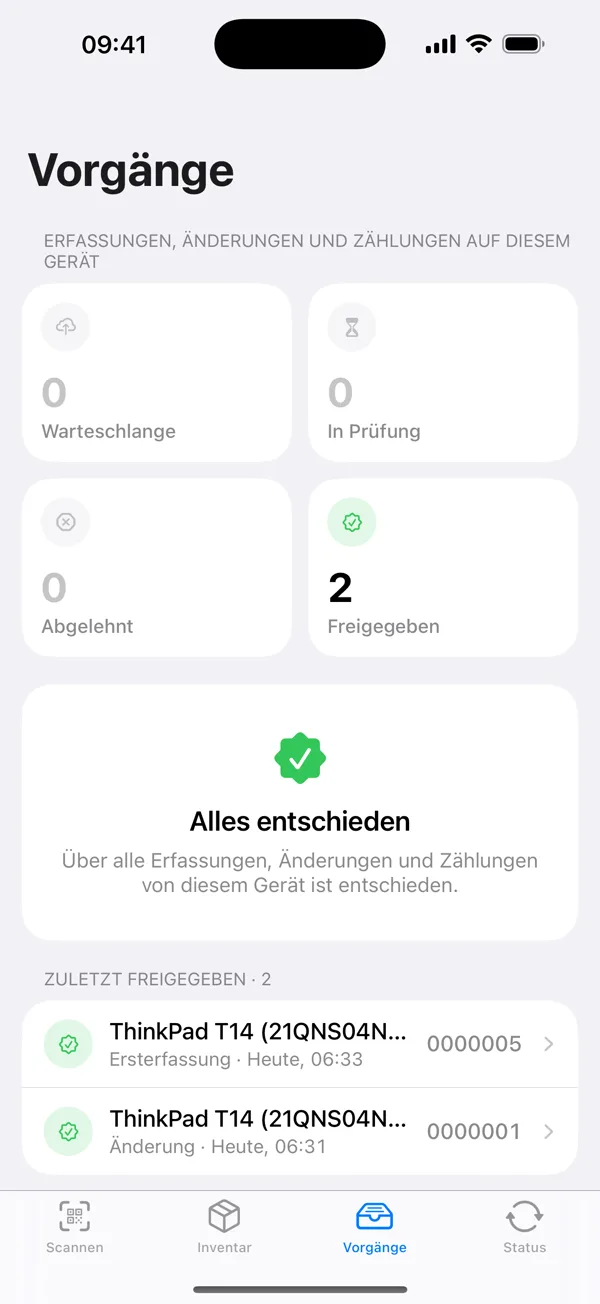
Staff check the values and send the record for review. Approved records show up under Vorgänge.
Screens from the app with demo data.
325 hours over 20,000 items is 58.5 seconds saved on every single item. Capture now takes 2.5% of the time it took before.
In money, the first workflow saved about €15,000.
Strom can be wrong, like any model. It can’t invent a value that isn’t in the photo, and every answer says how sure it is, so the app asks a person to confirm before a record is approved. Confirming a value takes a glance.
Inventory was the first workflow, not the last. Feddersen is expanding Strom to other areas of the group, starting with invoice processing.
Founded in Hamburg in 1949. Ten companies in trade, plastics and engineering, with about 1,100 people in 21 countries. Its sole shareholder is the non-profit K.D. Feddersen Foundation.
A software engineering company in Chemnitz, working since 2015 on platforms for banks, industry and platform operators. It has built the Feddersen Group’s platform since 2022.
Builds Strom, a model that reads text, documents and photos and answers with typed values and a confidence instead of generated text. A German company, processing in the EU.
Tell us what your photos or documents look like, and we’ll show you what Strom reads from them.